Skip to main content Skip to main content
Loading… Same-day appointments available today In an emergency dial 999
Hair Transplant · FUE · DHI · Beard & Eyebrow

Istanbul technique. London aftercare.

FUE and DHI hair transplants performed in our Whitechapel clinic by Turkish-trained surgeons and technicians — the same technique you'd fly to Istanbul for, with full CQC-regulated UK aftercare and follow-ups twenty minutes from the City. Free initial consultation.

Free
initial consultation
FUE & DHI
techniques
CQC
UK-regulated clinic
6 & 12 month
follow-ups in London
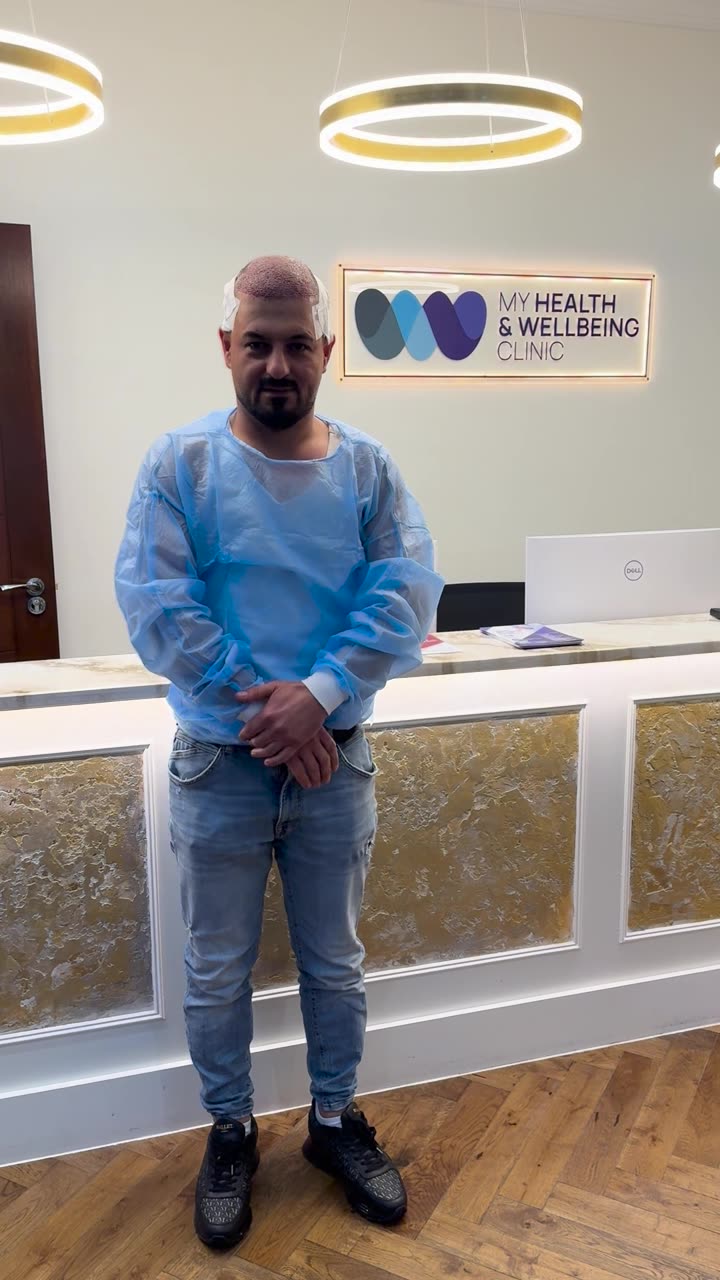
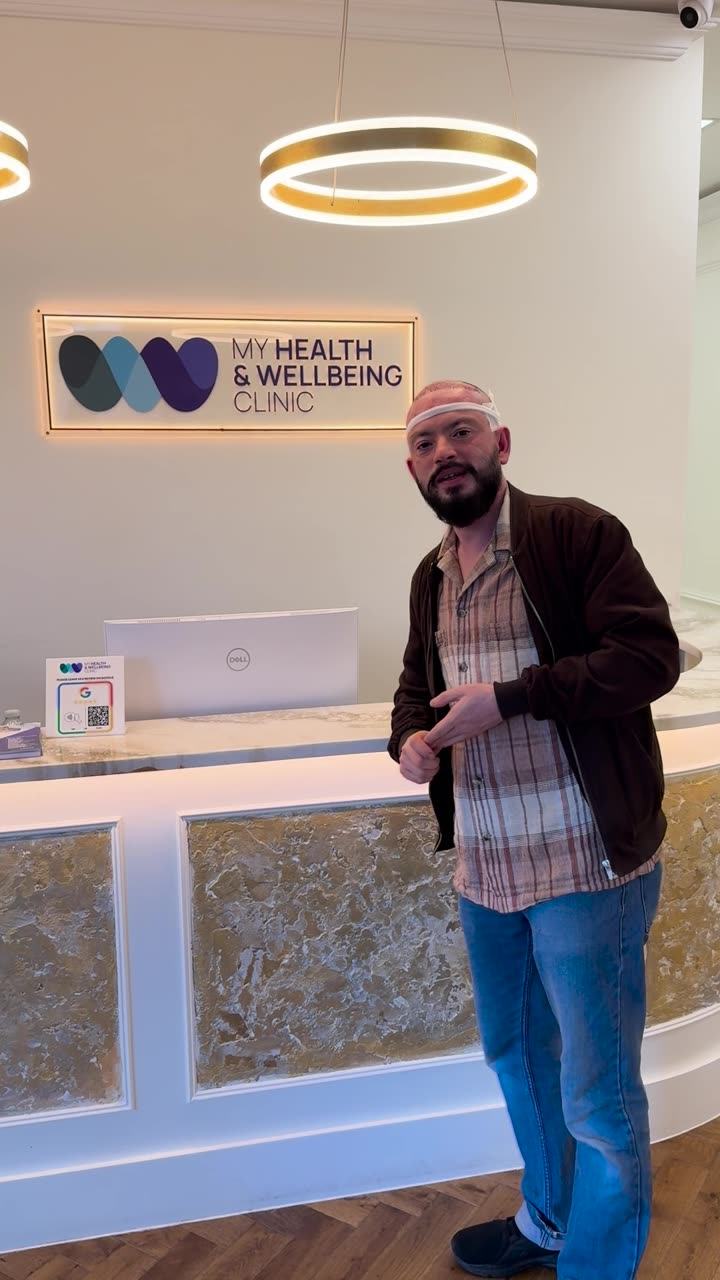
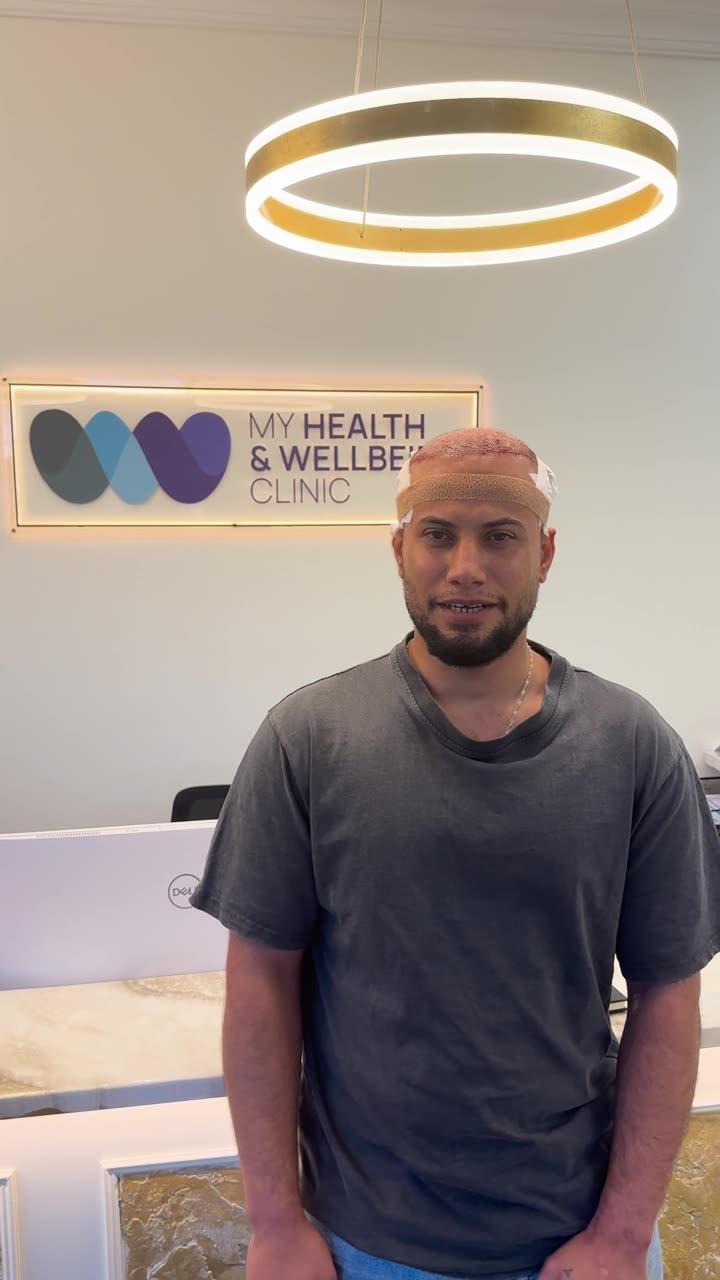
Real patient stories below 3 video testimonials · on the day of their procedure
Why patients choose us

You don't have to fly to Istanbul.

Turkish hair transplant tourism is enormous because Turkish surgeons and technicians are genuinely excellent at this procedure — and Turkey's costs are far lower. We bring that team to East London. Same technique. Same surgeons' tradition. No flight, no language barrier at consultation, no flying home with bandages.

Vs. Turkey

No flying with a fresh transplant.

The biggest practical drawback of Turkish surgery is recovering at 30,000 feet, then in a hotel, then on a return flight. You sleep in your own bed the night of the procedure. Our six- and twelve-month follow-ups happen in London, with the surgeon who treated you.

Vs. Turkey

CQC-regulated, GMC-registered.

We're inspected by the UK Care Quality Commission. Every doctor is GMC-registered. If anything goes wrong — rare, but it happens — you have full UK legal protection, NHS access for complications, and a regulated complaints pathway. Not always the case overseas.

Vs. UK clinics

Half the price of Harley Street.

Most premium London clinics charge several thousand pounds more for the same procedure. We deliver the same Turkish-trained technique at a fraction of that — because our overhead is East London, not W1, and our team trained in the world's busiest hair transplant market.

Vs. cheap clinics

Surgeons do the punches, every time.

Some clinics — here and abroad — let technicians do the surgical work unsupervised. We don't. A GMC-registered surgeon performs every extraction. Trained technicians assist with implantation under direct surgical supervision — standard Turkish practice, done properly.

What we do

Four hair restoration procedures.

We perform FUE and DHI for scalp hair transplants, plus specialised beard and eyebrow procedures. Which one is right for you depends on graft count, donor density and aesthetic goal — we'll tell you straight at your free consultation.

Most common

FUE — Follicular Unit Extraction

The standard modern hair transplant. Individual hair follicles are extracted from the donor area (typically the back of the head) using a micro-punch, then implanted in the recipient area. No linear scar, minimal recovery, natural-looking density.

  • 2,000–5,000 grafts per session
  • Local anaesthetic, awake throughout
  • 6–9 hour procedure
  • Visible results from month 6, final result at 12–18 months
Premium technique

DHI — Direct Hair Implantation

An evolution of FUE using a Choi implanter pen. Follicles are implanted directly without pre-made incisions, allowing more precise angle and density control. Better suited for smaller, denser areas like the hairline and crown. Costs more than FUE because it's slower and more technically demanding.

  • 1,500–3,500 grafts per session
  • Greater control over hair angle and direction
  • Best for refined hairline work
  • Slightly higher cost per graft than FUE
Specialist

Beard transplant

Restoration of patchy, thin or scarred beard areas using FUE. Donor grafts come from the scalp; the result is natural, permanent beard growth in the targeted area. Popular for filling in patchy growth, defining the jawline, or covering small scars.

  • 500–2,500 grafts typically
  • 4–6 hour procedure
  • Aesthetic design tailored to face shape
Specialist

Eyebrow transplant

For thin, over-plucked or scarred eyebrows. Single-hair grafts are placed at precise angles to mimic natural eyebrow growth direction. A delicate, time-intensive procedure where the difference between excellent and average comes down to the surgeon's eye, not just technique.

  • 150–400 grafts per side
  • 3–4 hour procedure
  • Initial trimming required for life (scalp hair keeps growing)
Transparent pricing

All fees on our price list.

Full pricing for all consultations, procedures and reports is published on our price list. We do not charge separate appointment fees on top of quoted prices, and all costs are confirmed before any test, procedure or report is started.

Your journey

Three appointments. Twelve months of care.

A hair transplant isn't a one-day event — it's a year-long project. The procedure itself is one day. Everything before and after matters just as much for the final result.

  1. Stage 01 30 min · free

    Consultation

    Surgeon examines your scalp, donor area and hair loss pattern. Discusses goals, expectations and timing. You leave with an exact written quote, recommended graft count and technique — no pressure to commit.

    • Scalp & donor area assessment
    • Realistic outcome discussion
    • Written quote with graft count
  2. Stage 03 12 months

    Follow-ups in London

    Reviews at 10 days (suture/scab check), 6 months (early growth check), and 12 months (final assessment). All in our Whitechapel clinic, with the surgeon who performed your transplant. Free for the first year after the procedure.

    • 10-day post-op review (scab removal)
    • 6-month growth review with photos
    • 12-month final result assessment
    • PRP top-ups available at follow-up
Your hair transplant team

A real surgical team. Trained where it matters.

Five GMC-registered clinicians work on hair transplant procedures at MHW Clinic, led by Consultant Plastic Surgeon Dr Oezdogan. Surgeons perform every extraction; Turkish-trained technicians assist with implantation under direct surgical supervision — the model used by the world's leading hair restoration clinics.

Procedure day · with our team

Real patients, on the day of their procedure.

Two photographs from procedure days at MHW Clinic, both shared with the patients’ signed written consent. These show immediate post-procedure moments — not final outcomes.

What happens next

Transplanted hairs typically shed in the first few weeks after a hair transplant procedure — this is expected and not a sign of failure. New growth typically begins around month 4–6, with the final result visible at approximately 12 months. Each patient’s recovery and outcome is unique.

Procedure Hair transplant
Setting MHW Clinic, London
Regulator CQC-registered
Final result ~12 months
Important. Hair transplant results vary patient to patient. Visible growth typically appears from month 4–6 onwards, with final density achieved around 12 months. These photographs show immediate post-procedure appearance — not final outcomes. All patients receive a full risk and recovery consultation before booking. Suitability depends on individual assessment.
Clinical detail · opt in

Sensitive clinical content

The next image shows the recipient area of the scalp immediately after a hair transplant procedure (approximately 4,000 grafts). It contains fresh surgical sites with visible blood points and is intended for those wanting a realistic view of what immediate post-procedure looks like.

Not recommended for: anyone uncomfortable with surgical imagery, people researching procedures during emotional distress, or browsing in public.

Real patient voices

Hear from our patients.

Short messages recorded by patients on the day of their hair transplant procedure at MHW Clinic. All shared with the patients’ signed written consent.

Common questions

Before you book.

Why is your price so much lower than Harley Street?

Two reasons. Our overhead is East London, not W1 — Harley Street rents are five times ours. And our technique team is Turkish-trained — the same surgeons and technicians who'd charge two-thirds less in Istanbul charge UK rates with us, but we don't pad costs with central-London real estate. Same surgical standard. Lower fixed costs.

Why not just go to Turkey?

Honestly — if cost is the only factor, Turkey is cheaper. The trade-offs are: flying with a fresh transplant (uncomfortable, slightly higher infection risk), follow-up access (if something doesn't heal right at month 3, you can't easily fly back), and regulatory protection (if anything goes wrong, you're navigating Turkish law, not UK law). For some patients those trade-offs are fine. For others, paying a bit more to stay in London is worth it.

How do I know if I'm a good candidate?

The free consultation is exactly for this question. Good candidates typically have: stable hair loss (not actively progressing), good donor density on the back and sides of the scalp, and realistic expectations. We turn down patients regularly — under-25s with progressing loss, very advanced Norwood 6–7 patterns without enough donor, or anyone whose goals can't be met with available grafts. Better to hear no upfront than be disappointed in a year.

Will it hurt?

The local anaesthetic injections at the start are the only really painful part. Once the scalp is numb (about 15–20 minutes), you'll feel pressure and movement but no sharp pain. Most patients watch films, read, or talk through it. Day 2–4 post-procedure can feel tight and tender, similar to mild sunburn — manageable with paracetamol and ibuprofen.

How long until I see results?

Realistic timeline: weeks 2–6 — transplanted hairs shed (this is normal, expected, and not a complication). Month 3–4 — new growth starts. Month 6 — visible density returning. Month 9–12 — final result, full density. Month 12–18 — texture and styling improvements continue. If anyone promises faster, they're misleading you.

How long do I need off work?

Most office workers can return after 7–10 days when the visible scabs have shed. Visible swelling typically lasts 3–5 days. If you're customer-facing or photographed for work, plan for two weeks. Heavy gym work and contact sports should wait 3–4 weeks. We'll give you a detailed timeline at consultation.

Are the results permanent?

The transplanted hairs are permanent — they're taken from the genetically resistant donor area and keep that resistance for life. However, your existing native hair can continue thinning around them, especially in young patients with progressing loss. Many patients use medication (finasteride, minoxidil) to protect their remaining native hair after transplant. We'll discuss whether that's right for you at consultation.

Do you do payment plans?

Yes — we offer interest-free 0% finance over 6 or 12 months for eligible procedures, subject to credit approval through our finance partner. Larger procedures can be split over 24 or 36 months with interest. We'll talk through options at consultation if you'd like — no commitment.

What about women's hair loss?

We assess female pattern hair loss and offer transplants where appropriate — though many women benefit more from PRP, medication or other approaches first. The pattern of female hair loss is different (diffuse rather than receding) and not every woman is a transplant candidate. Free consultation is the right starting point.

Free, no-obligation consultation

Find out what's possible.

30 minutes with a surgeon. A real assessment of your scalp. An honest opinion on what you can achieve — or whether you shouldn't bother. From there, the decision is yours.

See full pricing on our price list

Insurance accepted
Bupa AXA Health Vitality Aviva Cigna + more — check yours
Trusted partners
CQCCare Quality Commission GMCGeneral Medical Council PabauPractice management & online booking TDLThe Doctors Laboratory
In an emergency, call 999. MHW Clinic is not an emergency service. Your nearest A&E is The Royal London Hospital, Whitechapel Road E1 1FR — 5 minutes’ walk from our front door.
Chat on WhatsApp Book now Register as a new patient
Open now 9am-7pm